
Green energy industry
From production to
application – valves for
innovative hydrogen technologies
Hydrogen
#WeKnowHow
To leverage all the benefits of hydrogen as a climate-friendly energy carrier, valves are required that meet all the criticalities of this demanding medium. Siekmann Econosto has the technological know-how and manufactures valves that must withstand quality tests under extreme conditions.
Factsheet Hydrogen
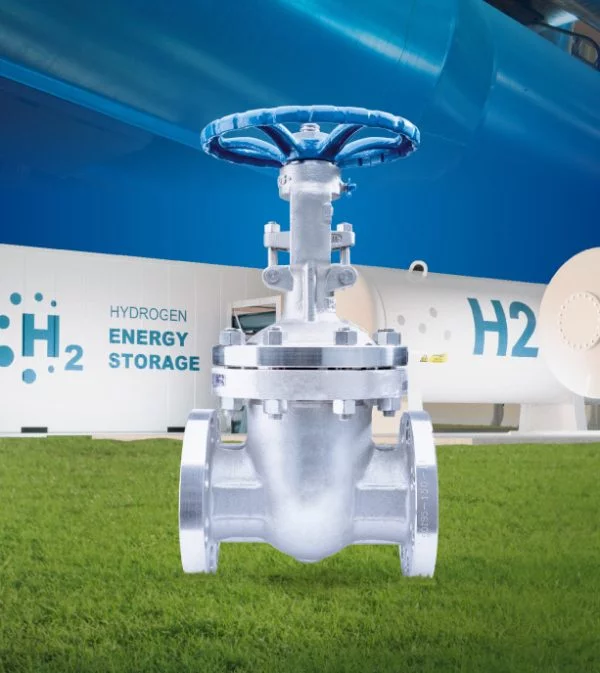
Hydrogen can be produced in various ways, but more and more companies are relying on “green hydrogen” from renewable sources, which can be used via power-to-gas technologies as a raw material in the chemical industry, as an emission-free energy source for electricity and heat, or as a fuel for propulsion.
The possible applications are just as diverse as the valves required for hydrogen production, storage and transport, right through to end use. To ensure a safe hydrogen infrastructure, the valves used must meet high requirements in terms of design, material resistance and quality.
As an expert in international project business, Siekmann Econosto has experience in innovative valve technology and offers system solutions for every phase of the hydrogen production chain.
Hydrogen
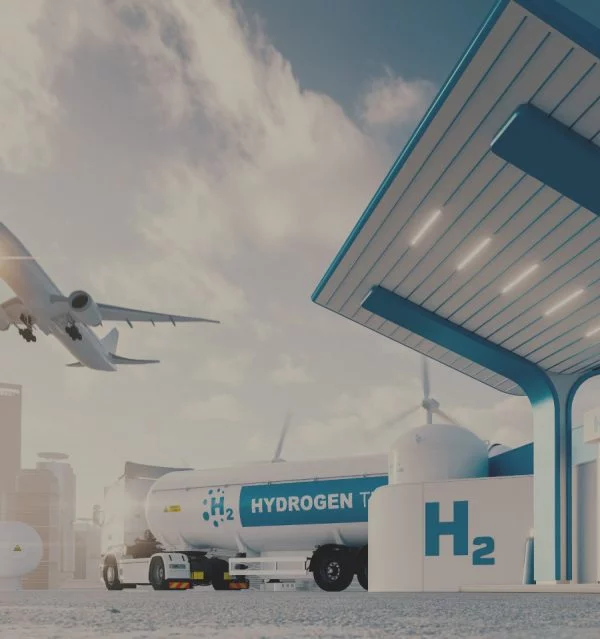
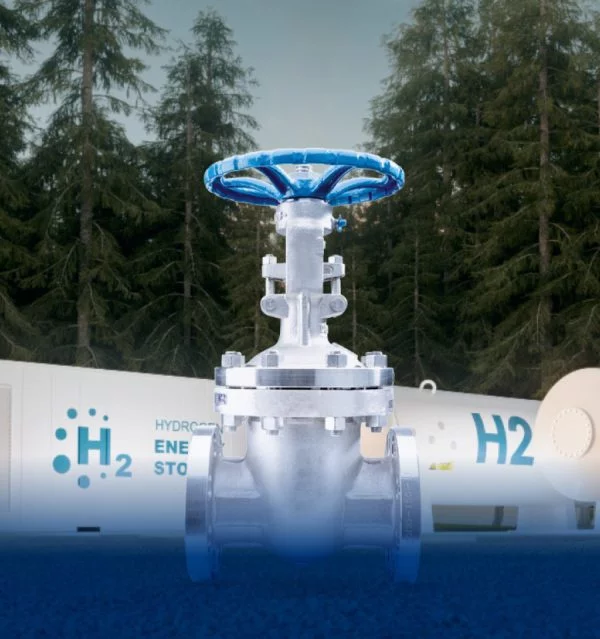
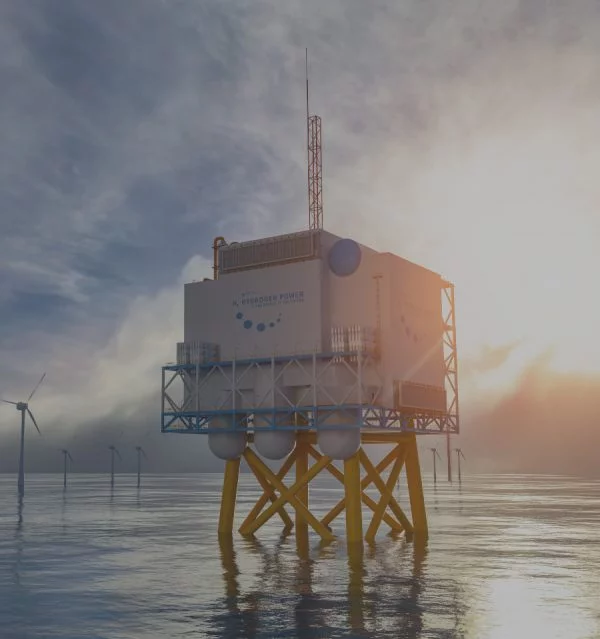
Hydrogen can be produced, among other methods, through steam reforming or water electrolysis. For climate-friendly “green” hydrogen, the electricity required for water electrolysis is based on regenerative sources such as wind or solar energy. Cryogenic processes play an important role in hydrogen processing, as hydrogen has a low molecular mass and only liquefies at temperatures below -253 degrees Celsius. Liquefaction of hydrogen enables efficient handling, because thanks to its higher density, hydrogen in liquid state can be stored more effectively and transported more easily to its destination. Valves used in hydrogen infrastructure must withstand extreme pressures and temperature ranges and therefore exhibit particular toughness. As an expert in industrial valves, Siekmann Econosto places high demands on the material selection for individual valve components. The company relies on external testing of materials in a specialized laboratory to ensure maximum valve safety.
The materials are tested for sufficient ductility within the framework of the Charpy Impact Test (notch impact strength test) at an impact temperature of -269 degrees Celsius with special testing equipment. The ductility of the material is a prerequisite for the safety of the entire process.
Solutions for climate-friendly energy systems
Siekmann Econosto cooperates with sub-suppliers and partners from all over the world to offer innovative system solutions that are both economical and sustainable. In addition to its headquarters in Dortmund, the company has one of Europe’s largest valve warehouses at its Zwenkau site and is involved as a valve supplier in the construction of some of the world’s largest gas processing projects. With its future-proof valve solutions, Siekmann Econosto supports the gradual transition to a more environmentally friendly energy economy and can implement customized concepts that contribute to the development of a sustainable hydrogen infrastructure.
Interested?
Please fill out the contact form.
