Co-processing plant in Austria – Sustainable mobility through biofuels
Co-processing plant in Austria – Sustainable mobility through biofuels
A globally renowned Austrian oil, gas and petrochemicals company is taking the next step towards sustainable mobility and investing in co-processing technology at its Schwechat refinery site. A major project that signals the transformation towards circular-economy thinking and innovative bio-oil processing.
The Schwechat refinery, near Austria’s capital Vienna, is one of Europe’s largest inland refinery and petrochemical sites. Here in the heart of Europe, the globally renowned company is investing almost 200 million euros in biofuel production. This will convert 160,000 tonnes of liquid biomass into carbon-neutral fuels each year using co-processing, reducing its own CO2 emissions footprint by replacing fossil feedstocks.
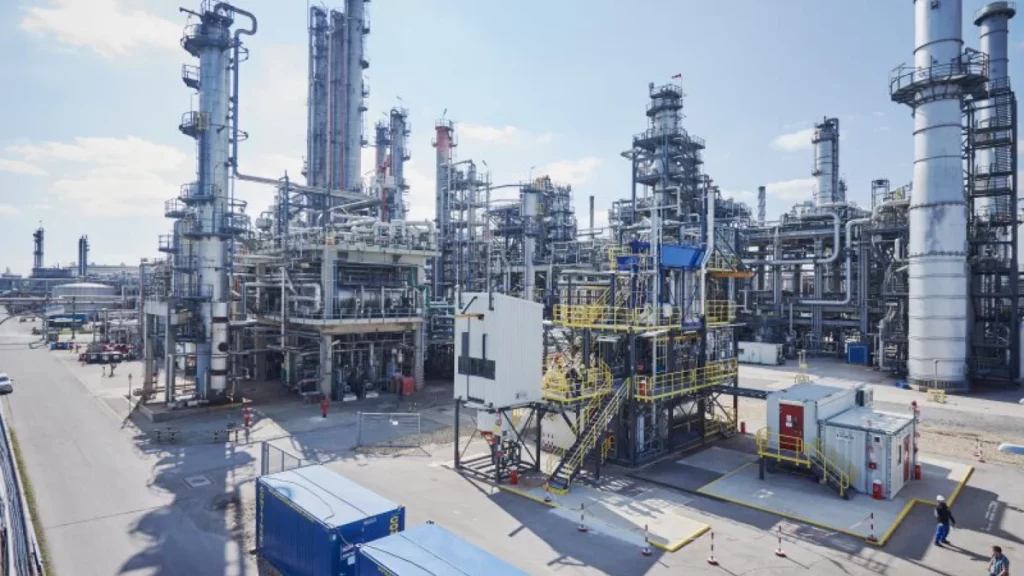
© OMV Aktiengesellschaft, Title: Chemical recycling plant
How co-processing works
In co-processing, biogenic feedstock is added during fuel production and processed together with petroleum-based feedstocks in a hydrotreating unit. At the Schwechat refinery, biofuels can be produced from feedstocks such as rapeseed oil or sunflower oil, some of which come from local Austrian agriculture. The renowned petrochemicals company is continuously working to increase the share of sustainable feedstocks within its own production and aims to save up to 360,000 tonnes of fossil CO2 per year by using hydrogenated vegetable oil. A key advantage of co-processing technology is that it is not limited to the use of vegetable oils. Waste-based used cooking oils can be incorporated into biofuel production in Schwechat, and environmentally friendly algae oil is also an option for the future. The co-processing plant offers many innovative possibilities for biofuel production. The biofuel produced meets the highest quality requirements and ensures compliance with strict environmental, social and safety criteria along the entire supply and production chain. This so-called “biofuel” can be used in all vehicles and is an important step towards delivering solutions for a sustainable mobility sector.
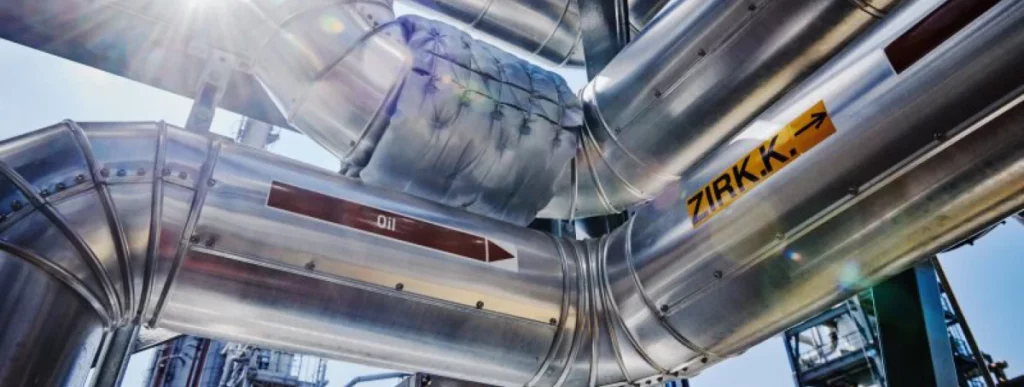
© OMV Aktiengesellschaft, Title: Chemical recycling plant
Trust in SE quality fittings
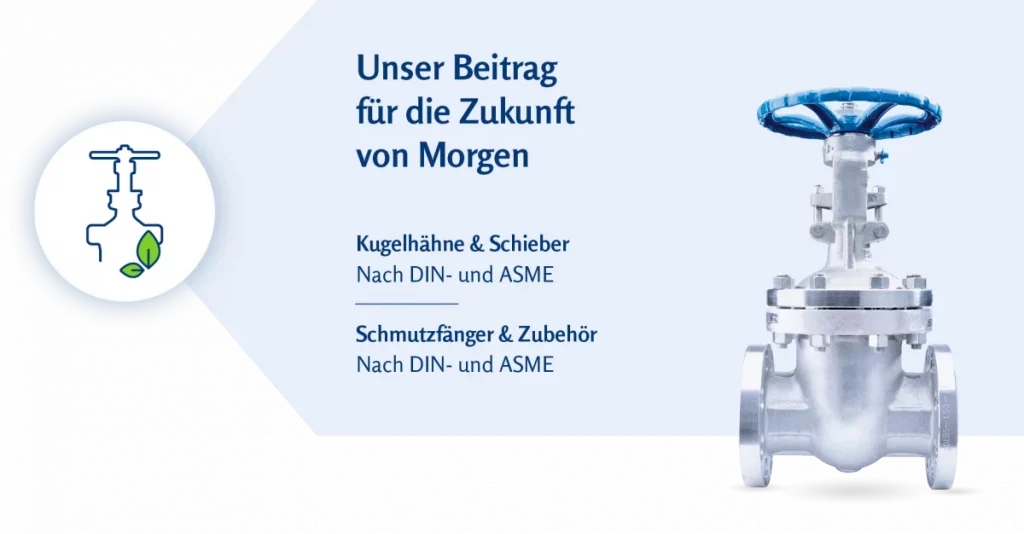
Siekmann Econosto is involved in the international major project and has been supplying ball valves, gate valves, strainers and accessories to Schwechat since 2021 in the well-known, high-quality and tested SE quality, to DIN and ASME standards. Responsibility for building the co-processing plant has been placed by the well-known Austrian plant operator in the hands of an internationally leading company for plant construction in process and chemical engineering. This company oversees all project phases such as engineering, procurement services and construction site management.
Alternative fuels
Biofuels from processed vegetable oil and other alternative fuels – as part of its sustainability strategy, the internationally renowned petrochemicals company is focusing on maximum flexibility when it comes to using sustainable feedstocks that make use of existing resources or are based on recycling options. The latest technologies are combined with decades of know-how in fuel production and are intended to be available to everyone in the long term. A goal that aligns with SE’s corporate philosophy:
“Let’s make the new energy sustainable and affordable.”
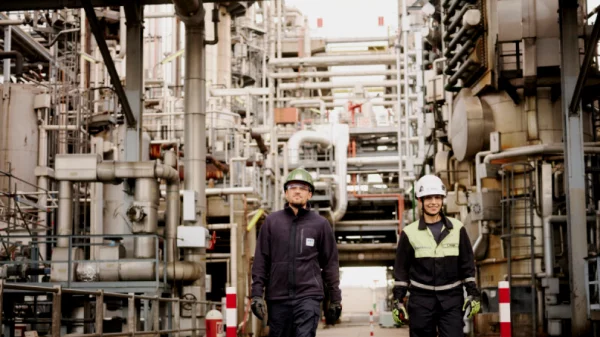
© OMV Aktiengesellschaft, Title: OMV Borealis Schwechat refinery
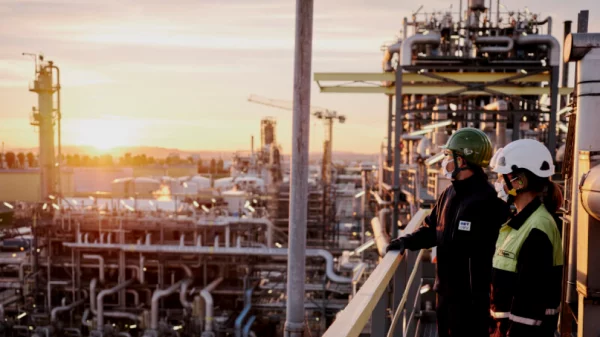
© OMV Aktiengesellschaft, Title: OMV Borealis Schwechat refinery
About Siekmann Econosto
We develop forward-looking valve solutions your company needs. Responsible action towards customers, employees and society, as well as sustainable development, are our top priorities.
Since 2008, the company has been part of the Dutch ERIKS Group, a leading international industrial service provider and wholesaler of technical components.